The History of Job Applications: From Faxes to Online Profiles
Quick answer: Applying for a job has moved from paper to a web form in a few decades, but the basic task has not changed: convince someone you are worth their time. One early landmark is Monsterboard, which went live in April 1994 as one of the first employment websites. Today the application is more likely to be a form on a phone than a letter in the post, which is why the details of the process now matter as much as the CV itself.
The original version of this article mixed real history with jokes, and some of its dates had no source. This version sticks to the milestones we could check.
From paper to post
For most of the twentieth century, applying for a job meant a letter or a form, posted or handed in by hand. Employers received applications by mail, and candidates waited for a reply that could take weeks. Speed was the main constraint, and the process was slow for everyone.
Fax machines and then email shortened the delay without changing the shape of the application. A candidate still wrote a letter and a CV, and the employer still read them one at a time. What changed was how quickly they arrived.
The first online job boards
The job board is the clearest turning point. Monsterboard went live in April 1994. It was built by Net Daemons Associates for Jeff Taylor, owner of the human resources company Adion, and it let job seekers search a database through a web browser. Its first listings came from the newspaper side of Adion’s business. TMP Worldwide bought it, and in 1999 it was merged with Online Career Center to form Monster.com.
What mattered was not the technology so much as the change in who was searching. For the first time, a candidate could look across many employers from one place, and an employer could reach candidates outside its own local newspaper. The job search stopped being a matter of reading the classified pages on a particular day.
From job board to profile
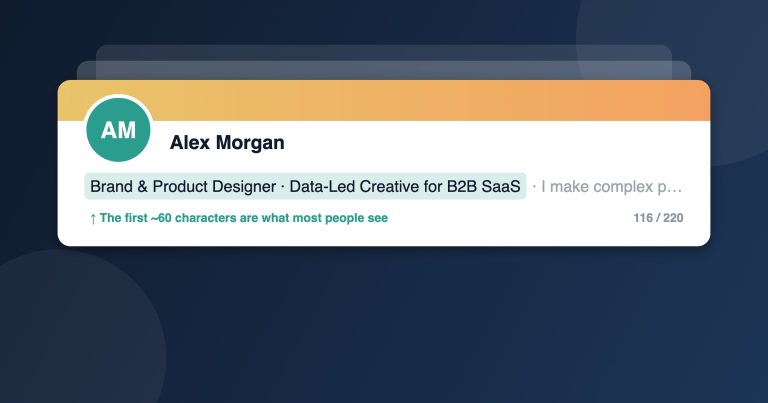
Once applications moved online, the next change was about what was being submitted. Early job boards were a search tool. Later, the candidate’s own profile became the application: a set of details, skills and experience that could be matched to roles, and that employers could search themselves.
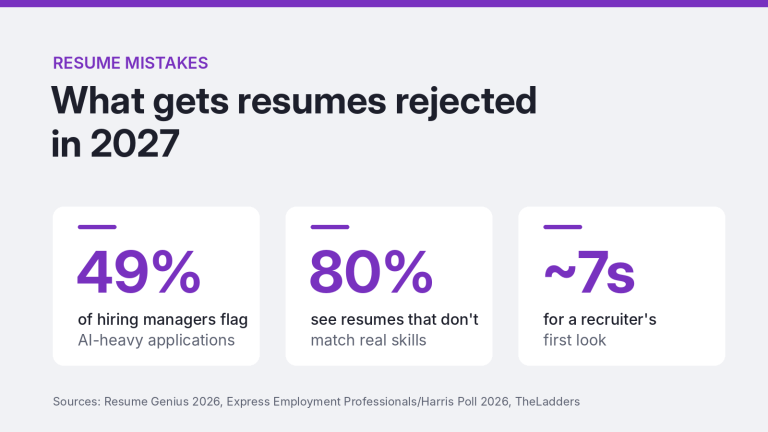
This is where the modern process begins. Many employers now use an applicant tracking system to sort applications by keywords and requirements, so the way a CV is written affects whether a human reads it at all. It’s also why our article on whether recruiters still read resumes matters for anyone preparing an application.
What the history means today
The shift from paper to screen has not made applications easier for everyone. A form that works well on a laptop may be difficult on a phone, and a process that takes twenty minutes on a desktop can take much longer if a candidate has to re-enter the same details on every page. Our article on how job seekers use smartphones covers where the friction usually appears.
For candidates, the practical lesson from this history is to keep a master version of your CV and a set of common answers ready, so that each application takes less time to finish. For employers, it is to keep the process as short as the job allows and to test it on the devices your candidates actually use.
If you’re planning a move, our guide to job sites covers where to look, and the interview checklist for candidates covers what to prepare once an application gets a response.
Frequently asked questions
When did online job applications start?
Online job boards came early. Monsterboard went live in April 1994 as one of the first employment websites. Applications moved online gradually after that, through email and then web forms.
What was the first job board?
Monsterboard is often cited as one of the earliest. It went live in April 1994 and let job seekers search a database through a web browser.
How did job applications change over time?
They moved from letters and posted forms, to faxes and email, to online job boards and profiles. Each stage made applications faster to send, which also made it easier for employers to receive large numbers of them.
Why does the application format matter so much now?
Many employers use software to sort applications before a person reads them. A clear, keyword-friendly CV and a form that works on any device both affect whether a candidate is seen.